
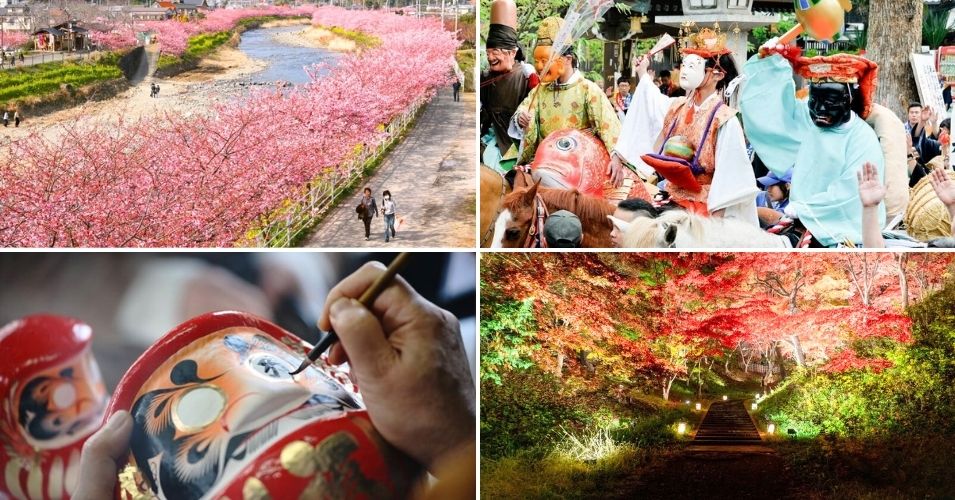
It’s a few months away before you board your plane and land in blossoming pink—but are the wandering sakura petals across your hotel room all there is to see? With the upcoming Japanese festivals, clearly not! Here are 8 festivals across Japan that the locals are gearing up for.
1. Kawazu Cherry Blossom Festival
If you’re looking to avoid the prime sakura season but still catch a hint of spring, Kawazu is the perfect place to be. Located within the Shizuoka Prefecture, enjoy the Kawazu Cherry Blossom Festival, where sakuras blossom earlier than most.
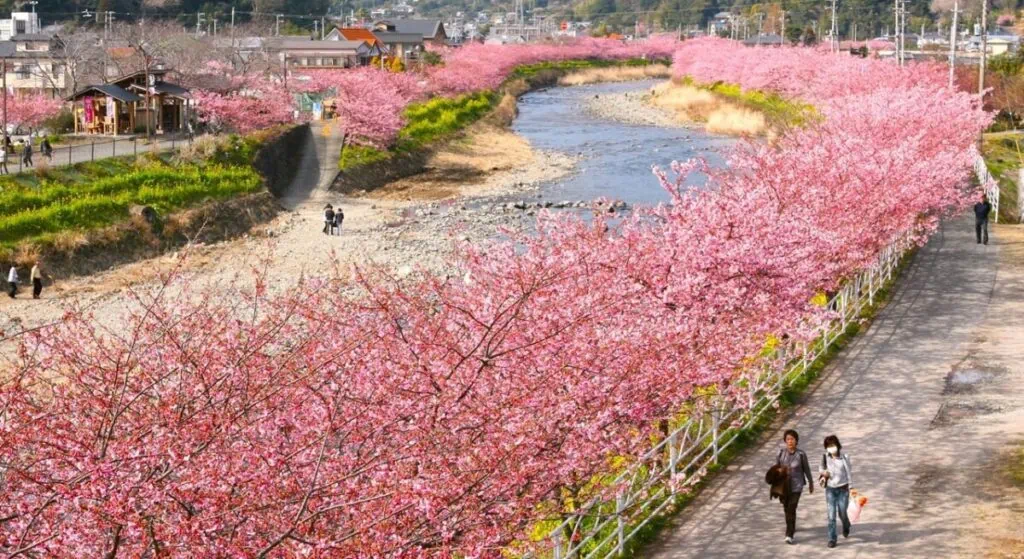
Walk along the Kawazu River and admire a plethora of pink trees lining the river path, or visit the Kawazusakura trees during the night to experience an illuminated garden.
The Kawazu Cherry Blossom Festival is normally held in February, and is expected to run from 7 February 2026 to 8 March 2026. To visit Kawazu, take a trip down from Tokyo by boarding the Tokaido Shinkansen to Atami, transferring onto the Ito Line and then the Izukyuko Line, to get off at Kawazu Station.
Find more directions to the Kawazu Cherry Blossom Festival here.
Kawazu Cherry Blossom Festival
Website
📍 48-6 Sasahara, Kawazu, Kamo District, Shizuoka 413-0512, Japan
🕒 All day
📆 7 February 2026 to 8 March 2026
2. Tonami Tulip Fair
Located in the town of Tonami in Toyama Prefecture, experience the Tonami Tulip Fair, where up to three million tulips bloom each year.
Make use of observation towers around Tonami Tulip Park, and take in the view that cannot be found back home. Additionally, walk through the park’s Flower Otani (flower corridor) that stacks four metres high for an unforgettable picture or keepsake. Even if you visit during the off-season, the Tonami Tulip Gallery contains year-round displays and some historical information regarding Tonami and its connections with tulips.
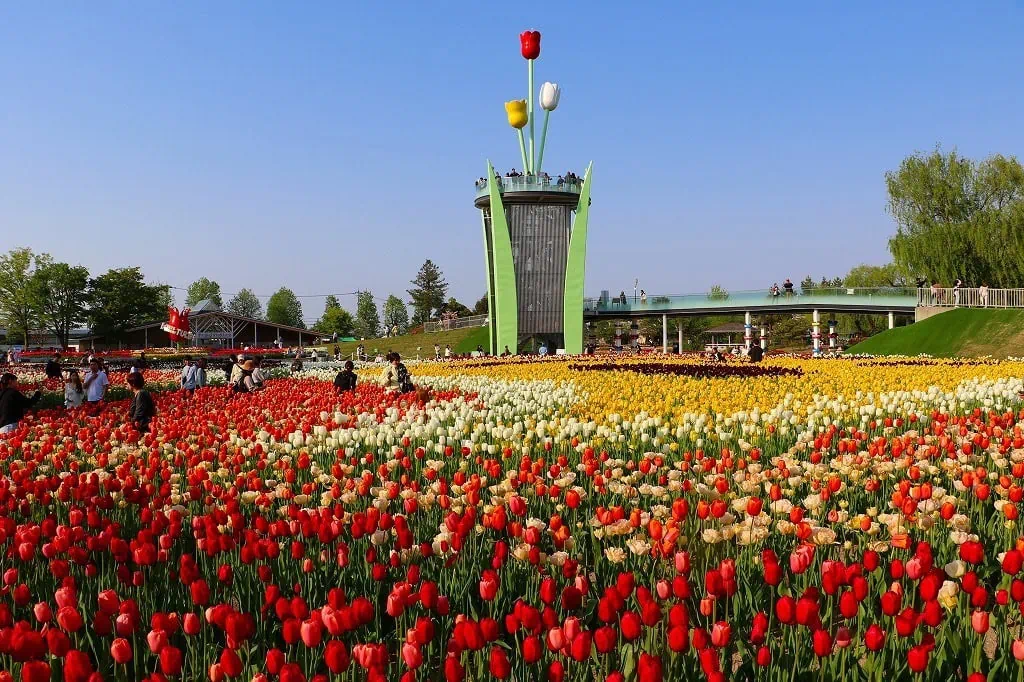
Beyond the beautiful flowers and spring weather, you can also expect Japanese street food to be sold during the fair, including an exclusive tulip soft-serve!
Entry to the fair costs ¥2,000 (S$16.60) per adult, ¥100 (S$0.80) per student for elementary and junior high school students, and is free for children below elementary age. Do take note of their opening hours being 9am–5.30pm, with their last admission at 5pm.
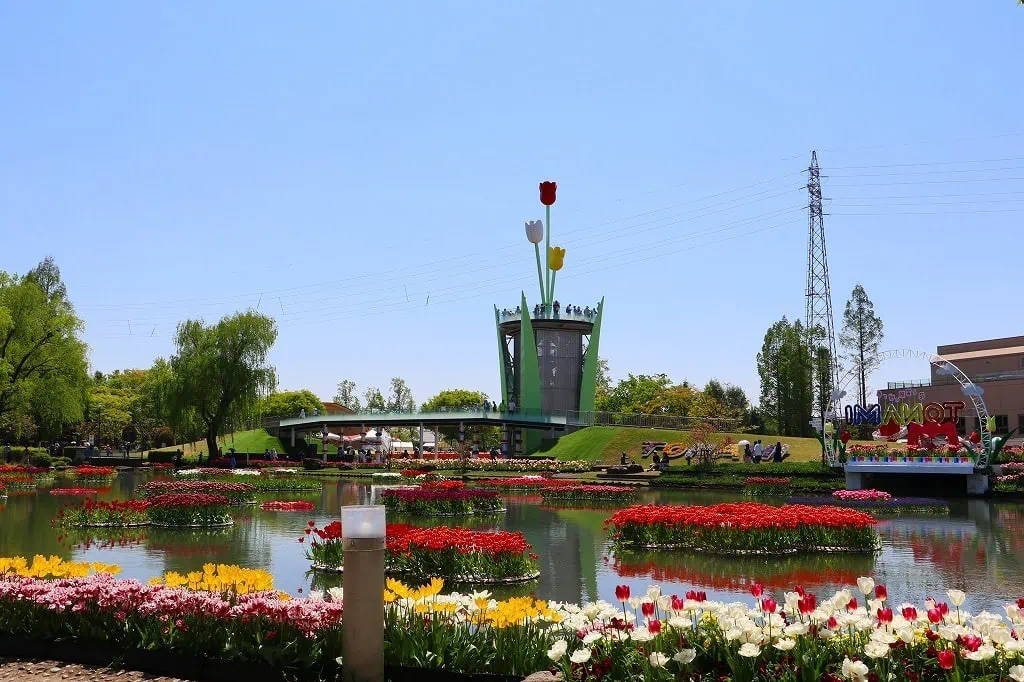
The Tonami Tulip Fair typically lasts two weeks from late-April to early-May, and will take place from 22 April 2026 to 5 May 2026. To get to Tonami, you can take the Hokuriku Shinkansen from Tokyo to Shin-Takaoka and then a train via the Johana Line to Tonami Station.
Find more directions to the Tonami Tulip Fair here.
Tonami Tulip Fair
Website
📍 Tonami Tulip Park, 1-32 Hanazonomachi, Tonami, Toyama 939-1382, Japan
🕒 9am–5.30pm (Daily)
📆 22 April 2026 to 5 May 2026
3. Otabi Festival
The largest festival in Komatsu and one of the largest events in Ishikawa Prefecture, the Otabi Festival is known for its many portable shrines and floats, and various kabuki performances. An annual festival which travels through the streets of Komatsu, the esteemed floats are used as a stage for kabuki performances by local children. A celebration dating back over 300 years, several original floats from the first few fiestas have been preserved till today.
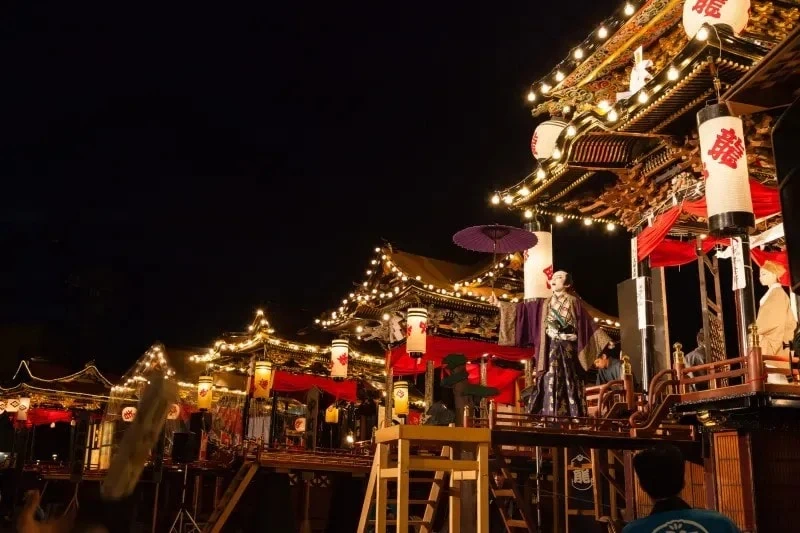
When concluding its festivities, all eight of its preserved floats from over 300 years ago will be presented and illuminated for the last performance.
The Otabi Festival is held in May every year, and will take place from 8 May 2026 to 10 May 2026 this year. From Tokyo station, take the Hokuriku Shinkansen line heading towards Tsuruga, and alight at the Komatsu station.
Find more directions to the Otabi Festival here.
Otabi Festival
Website
📍 Ishikawa Prefecture, Komatsu City, Japan
🕒 All day
📆 8 May 2026 to 10 May 2026
4. Daruma Doll Fair
Taking place in one of the most distinguished and oldest temples in the Tokyo area, the Daruma Doll Fair in Jindaiji is one of Japan’s biggest and most popular Daruma doll festivals.
Symbolising perseverance and a talisman of good fortune in Japan, the Daruma Doll Fair features an endless display of these traditional dolls accompanied by various rituals and prayers every hour.
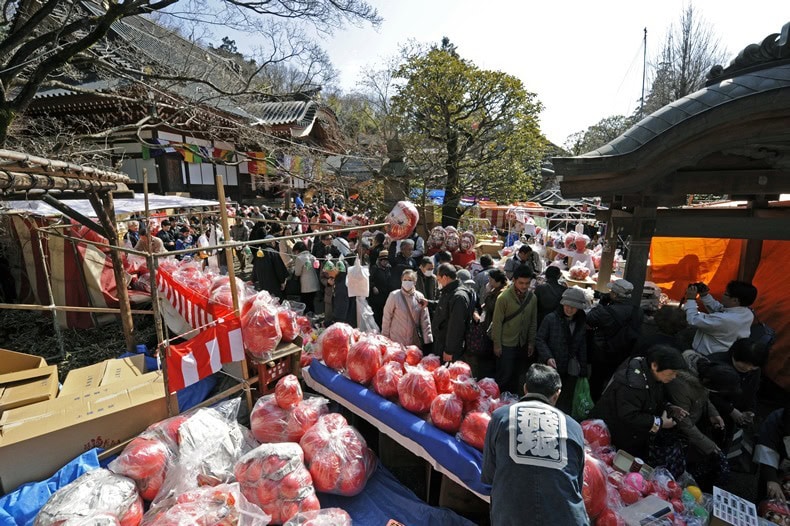
Browse hundreds of booths throughout the temple, and bring home a personalised Daruma doll blessed by monks in the Jindaiji Temple. Select a doll, and a calligrapher will inscribe your wish on the back of the doll. Next, a monk will mark a character on the left eye of your doll to indicate that you’ve made your wish. If your wish comes true, be sure to visit the festival the next year and have your character marked by the temple’s monk.
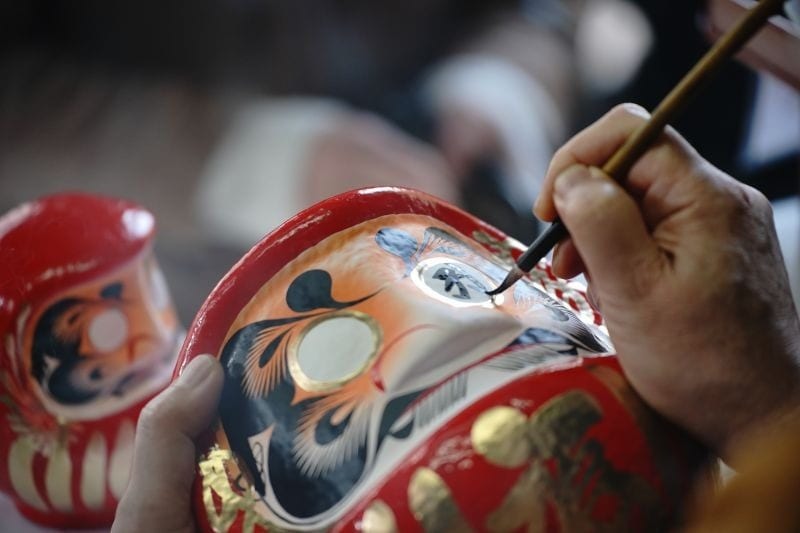
The Daruma Doll Fair takes place every March in Tokyo, and will span 3 March 2026 to 4 March 2026 this season. From Haneda Airport, travel via the Keikyu Airport Line to reach Chofu Station, and take the Keio Bus (Chofu 34) to Jindaiji Temple.
Find more directions to the Daruma Doll Fair here.
Daruma Doll Fair
Website
📍 Jindaiji Temple, 5-15-1 Jindaiji Motomachi, Chofu, Tokyo 182-0017, Japan
🕒 10am–4pm
📆 3 March 2026 to 4 March 2026
5. Hirosaki Cherry Blossom Festival
From late-April to early-May, visit Hirosaki Park in Aomori Prefecture to see one of Japan’s best cherry blossoms.
With around 2,600 sakura trees, the scale of the Hirosaki Park Cherry Blossoms is indescribable. With over 50 varieties of sakura trees, you can expect to see a myriad of pink across the park and the city!
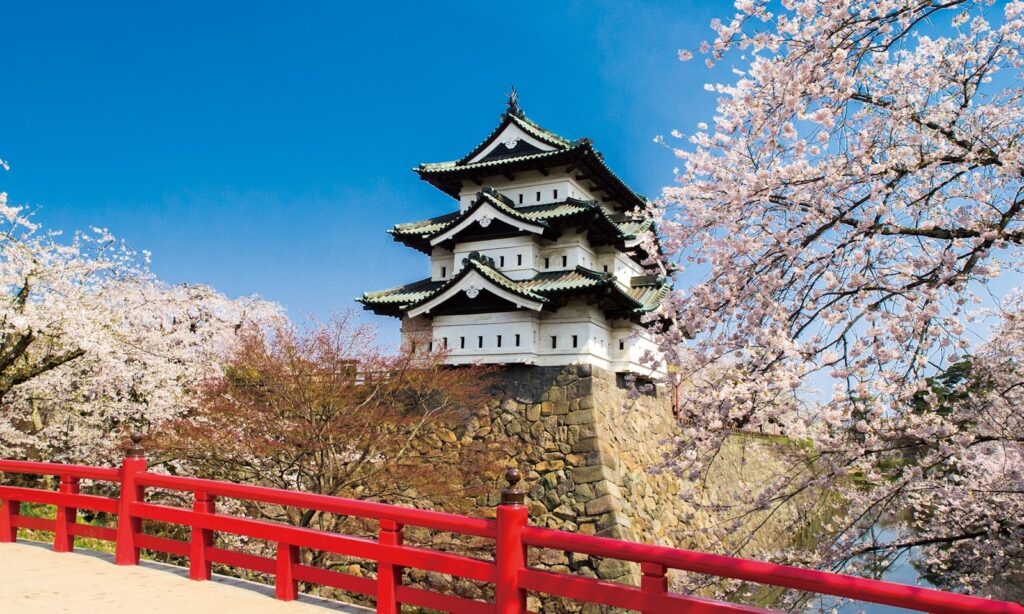
Outside of the park’s premises, explore along the Sakura Tunnel on the West Moat, or spectate the Hirosaki Castle planted among the blooming cherry trees. Especially at night, be sure to catch the lit-up trees and Hirosaki Castle to see the city in a brand new light.
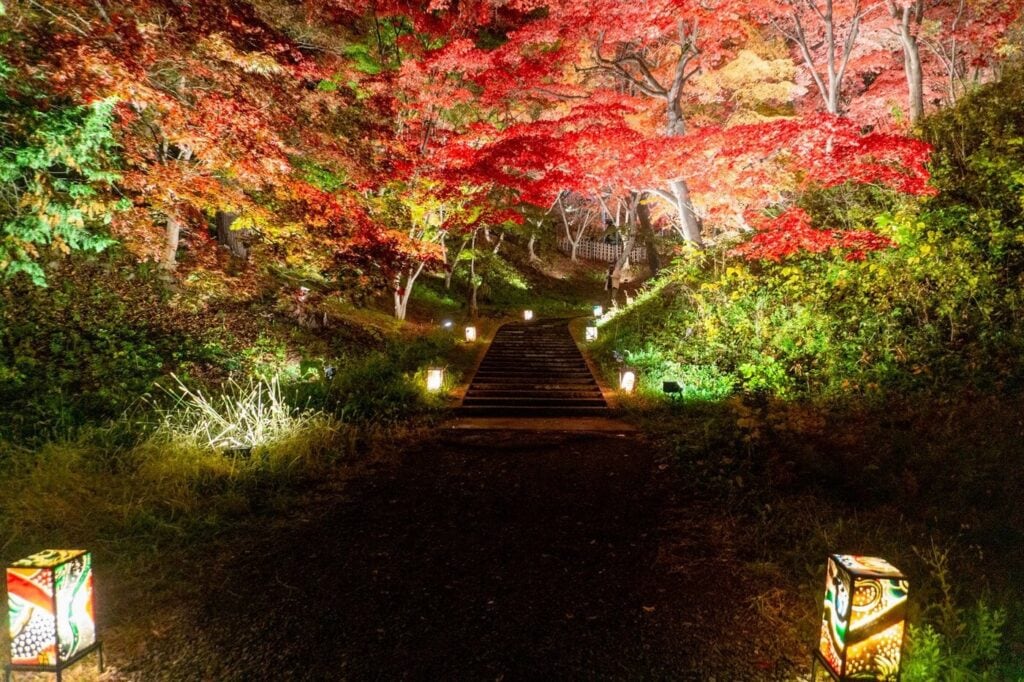
Admission to all park facilities costs ¥520 (S$4.30) for adults and ¥160 (S$1.30) for children, while individual landmarks like the Hirosaki Castle Botanical Garden or Hirosaki Castle Honmaru each cost ¥320 (S$2.60) for adults and ¥100 (S$0.80) for children.
This year, the Hirosaki Cherry Blossom Festival will be held from 17 April 2026 to 5 May 2026 and is forecasted to first bloom on 19 April 2026. Located in the central part of the city, take a 15-minute bus ride from Hirosaki Station and get off at Shiyakusho-mae bus stop. Alternatively, you can also walk to the park from Hirosaki Station within 30 minutes.
Find more directions to the Hirosaki Cherry Blossom Festival here.
Hirosaki Cherry Blossom Festival
Website
📍 Hirosaki Park, 1-1 Shimoshirogane-cho, Hirosaki, Aomori 036-8356, Japan
🕒 9am–5 pm, 7am–9 pm (During Hirosaki Cherry Blossom Festival)
📆 17 April 2026 to 5 May 2026
6. Hakata Dontaku Festival
Fukuoka’s largest annual celebration, the Hakata Dontaku Festival, takes place on the major holiday weekend in May (also known as the Golden Week), with a record-breaking footfall of two million visitors.
Dontaku events are always held across Fukuoka City, while the main parade sets off from Gofuku-machi Station to Tenjin Central Park.
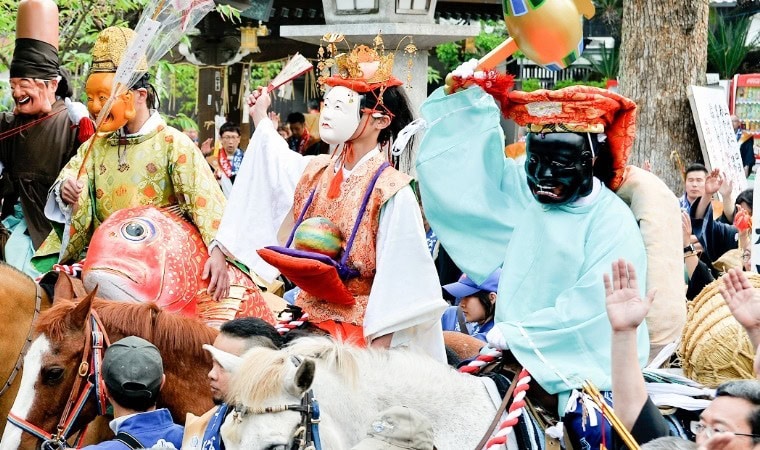
During the two-day festival, snap pictures of the passing extravagant costume parade dancers in the streets; adventure across the city hosting different theatrical performances; carnival-like stalls offering food and games, and lastly, travelling hana jidoshas (flower buses) adorned in colourful petals that light up the night.
The Hakata Dontaku Festival will be taking place on 3 May 2026 to 4 May 2026 across Fukuoka, with its major events to happen along Meiji Street, running from Gofuku-machi Station toward Tenjin Central Park and near Hakata Station.
Find more directions to the Hakata Dontaku Festival here.
Hakata Dontaku Festival
Website
📍 Across Fukuoka City
🕒 Various Timings
📆 3 March 2026 to 4 March 2026
7. Sanno Matsuri Festival
Featuring detailed and sophisticated floats accompanied by Japanese traditional music, the Sanno Matsuri Festival is acknowledged as one of the three great celebrations of Tokyo, alongside the Kanda Matsuri and Fukagawa Matsuri.
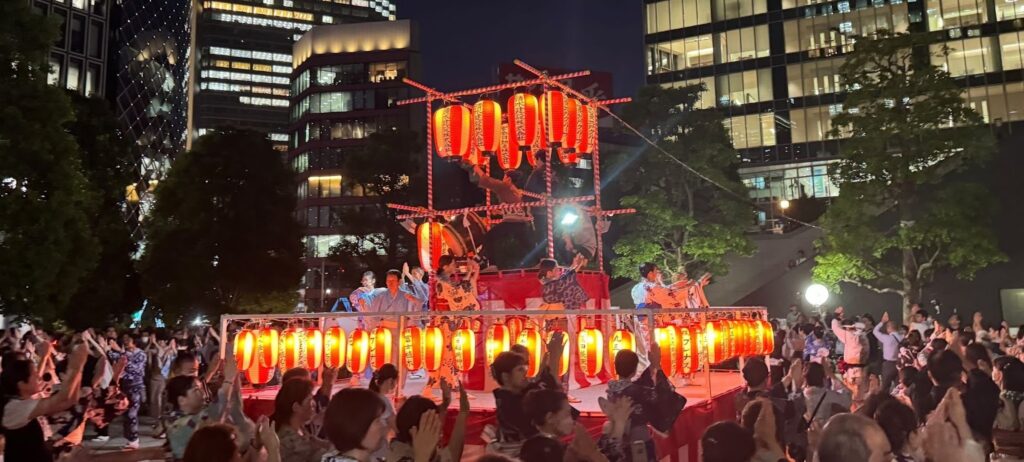
One of the biggest symbols of Sanno Matsuri, its main parade, travels through the whole of central Tokyo for a whopping nine hours. During the festival, exquisite floats, also known as yatai, parade through the town from morning until evening. Topped with puppets called karakuri dolls, the displays double as a stage for the traditional puppets. From mid-morning to early afternoon, the karakuri dance across the platform, keeping the festive season alive despite its long hours.
Its route passes the Yasukuni Shrine, to the Tokyo Imperial Palace, through the center of Ginza, and ends at Hie Shrine. Setting off from and returning to Hie Shrine, the procession consists of modest-sized floats accompanied by performers in colourful costumes.
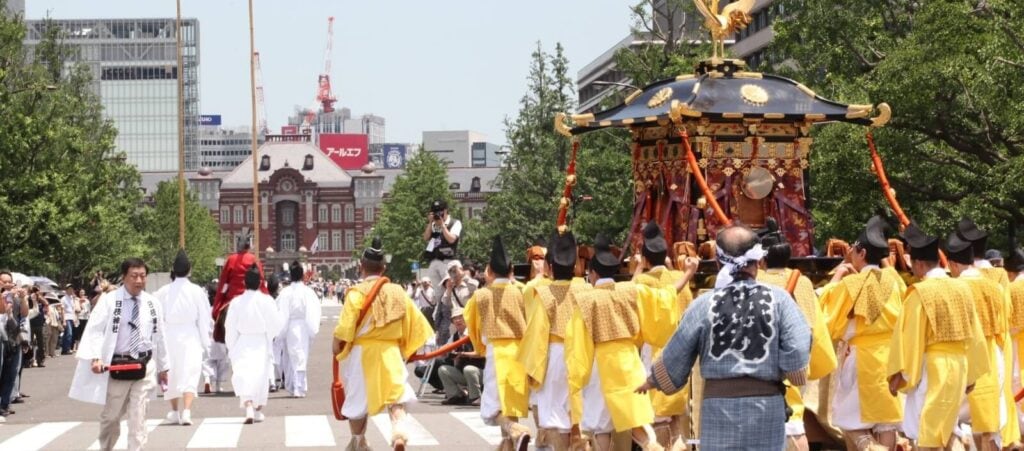
Its sacred rituals are also not to be missed, where you can witness the solemn side of the festival with traditional Shinto rituals held at the historic Kanda Myojin Shrine. There, prayers for good health, prosperity, and safety are offered by shrine priests.
The Sanno Matsuri Festival will take place from 7 June 2026 to 17 June 2026 in Takayama city, around the Hie Shrine on Yasugawa Street. From Tokyo Station or Shinagawa Station, take the JR Tokaido Shinkansen to Nagoya Station. Then, transfer to the JR Hida limited express train to Takayama Station. Alternatively, you can take the Hokuriku Shinkansen from Tokyo to Toyama and transfer to the JR Hida limited express.
Find more directions to the Sanno Matsuri Festival or Hie Shrine here.
Sanno Matsuri Festival
Website
📍 Across Tokyo City
🕒 All Day
📆 7 June 2026 to 17 June 2026
8. Ashikaga Great Wisteria Festival
Known for its nighttime lights and wisteria flowers that bloom from late-April to mid-May, the Ashikaga Great Wisteria Festival showcases countless blooming wisteria trees, azaleas, and large peonies in full bloom annually.
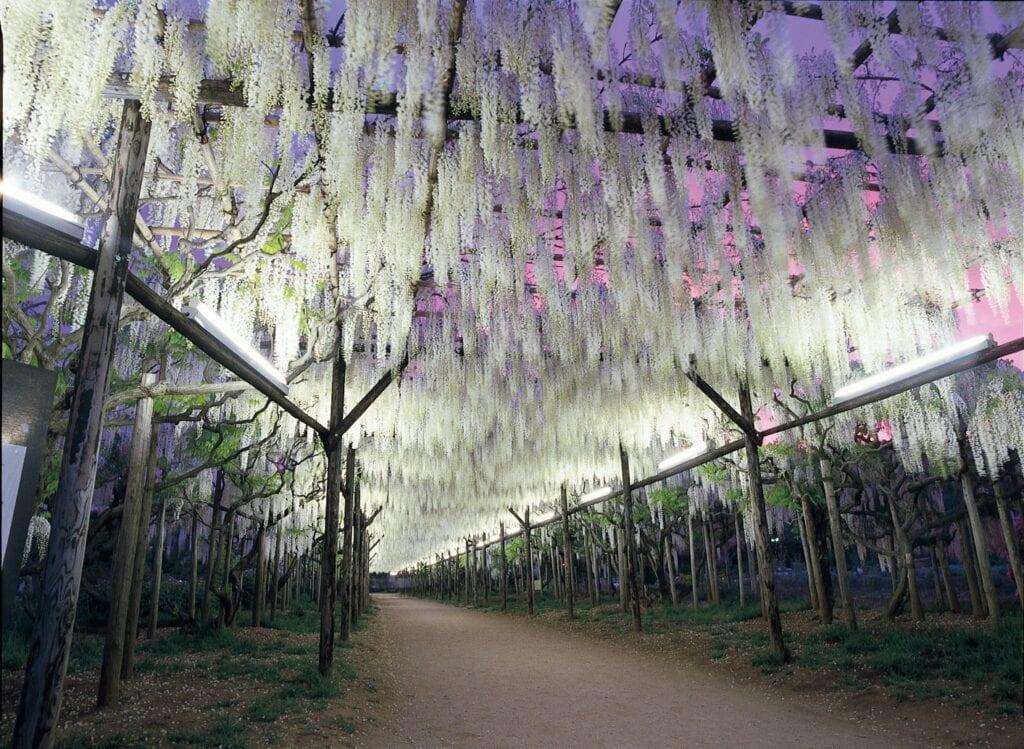
Ashikaga Flower Park in Tochigi Prefecture is a prime location for free-and-easy sightseeing and taking in the pleasantly cool mountain breeze. During this time, the park will also be filled with flower installations such as flower tunnels, lit-up flower beds, and wisteria purple lights across the vicinity.

Admission fees to Ashikaga Flower Park differ according to the seasons, with prices ranging from ¥400 (S$3.30) to ¥2,300 (S$18.80). Ticket prices during the Ashikaga Great Wisteria Festival are expected to cost ¥1,200 (S$9.80) to ¥2,300 (S$18.80), but will vary depending on the blooming conditions of the flowers. Ashikaga Flower Park’s opening hours typically follow 10am–5pm, but will remain open until 8.30pm during the festival period.
The Ashikaga Great Wisteria Festival usually takes place from late-April to mid-May every year; however, its exact festival dates in 2026 have yet to be announced.
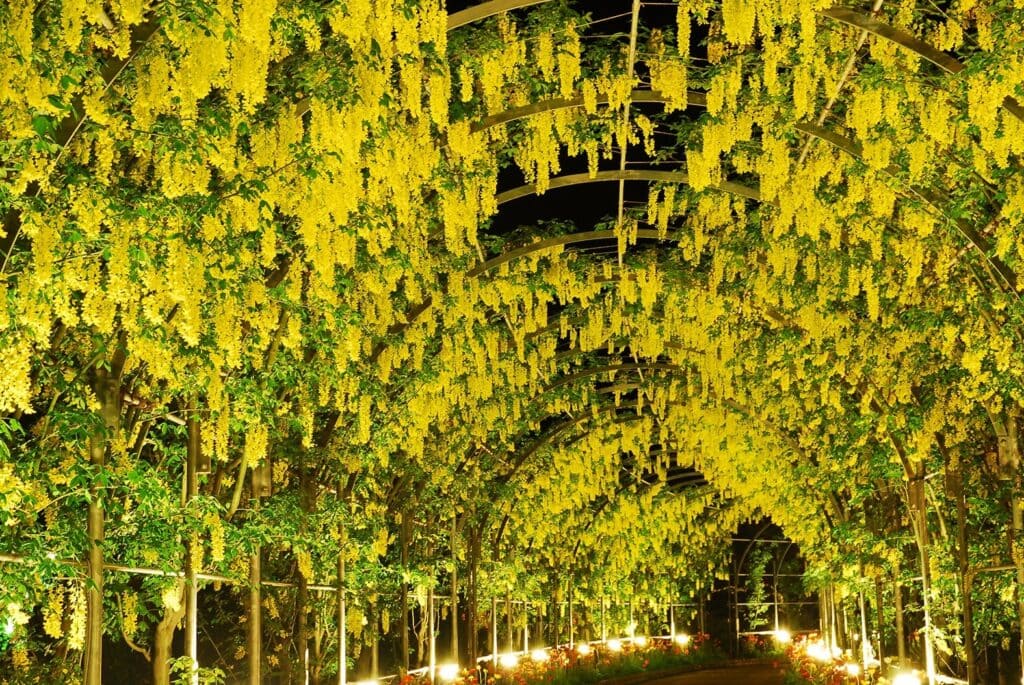
From Tokyo Station, take the Tohoku Shinkansen to Oyama, then board the Ryomo Line heading west to Ashikaga Flower Park Station. From there, take a three-minute walk to the park and be prepared to be blown away by its beauty!
Find more directions to the Ashikaga Great Wisteria Festival here.
Ashikaga Great Wisteria Festival
Website
📍 607 Hasama Town, Ashikaga, Tochigi 329-4216, Japan
🕒 9am–4pm
📆 Late-April to mid-May
With this comprehensive list of major and modest celebrations, there has to be a new festival added to your to-visit list by now. Start making your wishes, charge that camera, and enjoy your trip in Japan to the fullest with these festivals!
For more lifestyle updates like this, subscribe to our Telegram channel at @confirmgood.